


70 Warehouse Safety Tips Every Employee Should Know
Health & Social Care Articles | 70 Warehouse Safety Tips Every Employee Should Know
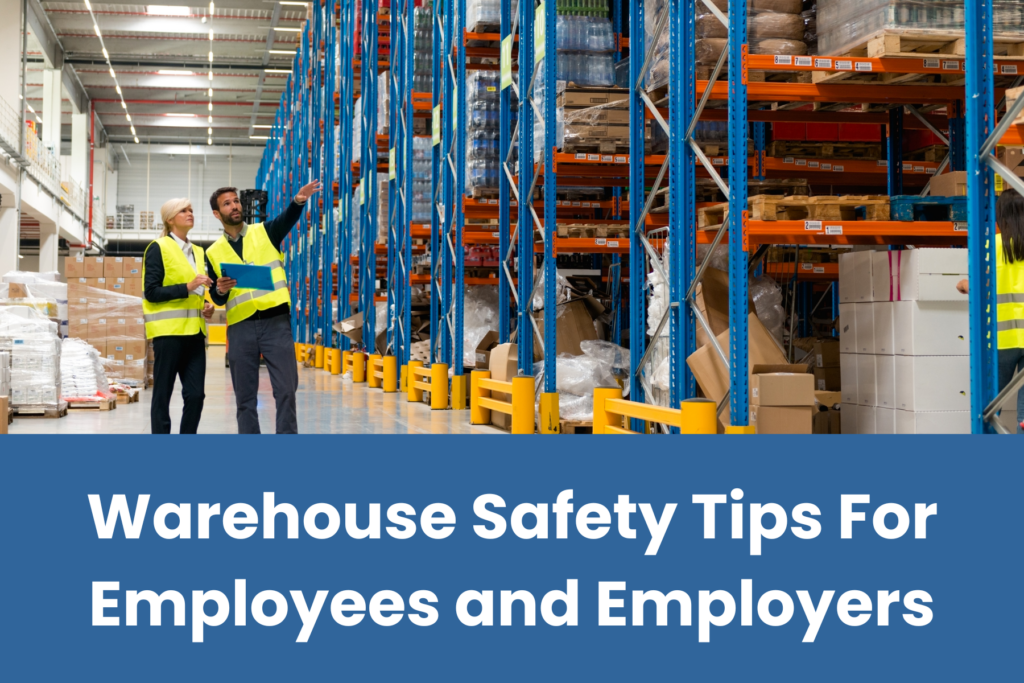
Warehouse Safety Tips For Employees and Employers
In 2024/25, the UK recorded 680,000 non-fatal workplace injuries, with slips, trips and falls being the most common cause.
Fatal injuries totalled 124 deaths, while work-related ill health affected 1.9 million workers, including 964,000 cases of stress, depression or anxiety.
Musculoskeletal disorders accounted for 511,000 cases, often linked to manual handling tasks common in warehouses.
These incidents led to 40.1 million lost working days and an estimated economic cost of £22.9 billion.
Forklift accidents remain a major hazard, with around 1,300 UK employees hospitalised annually due to serious injuries. Falls from height and being struck by moving objects are among the leading causes of severe injuries in warehouse environments.
If you are interested in health and safety training for yourself or your team, you can call our course advisors during work hours or leave us a message.
What are the key Warehouse health and safety requirements for UK warehouses?
Warehouse health and safety requirements include maintaining clear walkways, proper lighting, and secure racking systems.
Employers must provide Personal Protective Equipment (PPE) such as helmets and high-visibility clothing. Staff should receive training on manual handling and forklift operation.
Emergency exits must remain unobstructed, and fire safety measures like alarms and extinguishers should be in place.
Regular risk assessments and compliance with HSE regulations are mandatory.
Warehouse health and safety requirements
Warehouse health and safety requirements are primarily governed in the UK by the Health and Safety at Work etc. Act 1974 and related regulations, which mandate employers to protect the health, safety, and welfare of their employees and others on site.
Key UK Warehouse Health and Safety Regulations
- Health and Safety at Work etc. Act 1974: Employers must protect the health, safety, and welfare of employees and anyone affected by warehouse operations.
- Management of Health and Safety at Work Regulations 1999: Requires risk assessments, competent supervision, and implementation of preventive measures.
- Workplace (Health, Safety and Welfare) Regulations 1992: Covers safe workplace conditions, including lighting, ventilation, and cleanliness.
- Manual Handling Operations Regulations 1992: Controls risks associated with lifting, carrying, and moving loads to prevent musculoskeletal injuries.
- Provision and Use of Work Equipment Regulations 1998 (PUWER): Ensures all work equipment is suitable, safe, and properly maintained.
- Lifting Operations and Lifting Equipment Regulations 1998 (LOLER): Governs the safe planning, supervision, and use of lifting equipment such as forklifts and hoists.
- Control of Substances Hazardous to Health Regulations 2002 (COSHH): Requires assessment and control of exposure to hazardous substances in the workplace.
Warehouse safety rules and regulations require strong risk management, proper equipment maintenance, and safe material‑handling practices. Key compliance areas include manual handling protocols, clear separation between forklifts and pedestrians, and effective hazard communication across the site.

Warehouse Safety Best Practices
Maintaining a safe warehouse requires regular risk assessments, clear procedures, and compliance with UK health and safety legislation. Employers should ensure staff use appropriate PPE, provide forklift training, prevent racking overloads, and separate pedestrian walkways from vehicle routes.
Essential Warehouse Safety Protocols
1. Traffic Management
-
Separate pedestrian walkways from forklift routes, using barriers where possible.
-
Require high‑visibility clothing.
-
Use wheel chocks to secure parked trailers during loading and unloading.
2. Manual Handling
-
Train staff in safe lifting techniques.
-
Provide mechanical aids such as pallet trucks or pallet jacks to reduce injury risk.
3. Racking and Storage
-
Inspect pallet racking regularly for damage.
-
Store heavier items on lower shelves.
-
Secure loads with stretch wrap or suitable restraints.
4. Fire Safety and Housekeeping
-
Keep aisles, fire exits, and escape routes clear.
-
Maintain clearance below sprinkler systems.
-
Remove waste and packaging promptly to reduce fire and trip hazards.
5. Hazardous Substances
-
Keep Safety Data Sheets (SDS) up to date and accessible.
-
Provide training for staff handling hazardous substances and ensure safe storage.
Maintaining a safe warehouse requires consistent legal compliance and regular hazard assessments. Employers must enforce appropriate PPE use, provide certified forklift operator training, prevent racking overloads, and keep pedestrian routes clearly separated from vehicle movements.
Warehouse hazards and control measures
Primary warehouse hazards include slips, trips and falls, moving vehicles, manual handling, falling objects, and fire risks. Effective warehouse safety management follows the OSHA Hierarchy of Controls, prioritising measures from most to least effective: elimination, substitution, engineering controls, administrative controls, and Personal Protective Equipment (PPE).

General Warehouse Safety Tips
General warehouse safety focuses on maintaining a clean, organised environment, wearing appropriate personal protective equipment (PPE), and following safe practices for lifting, operating machinery, and storing materials.
Essential measures include using correct lifting techniques, keeping aisles clear, wearing suitable safety gear, and ensuring all staff are properly trained to operate equipment.
Regular inspections and well-structured emergency plans are also critical for preventing accidents and promoting a safe workplace.
General Warehouse Safety
1. Workplace Environment
Keep the area clean and organised by promptly removing debris, spills, and clutter to prevent slips, trips, and falls. Maintain clear pathways by ensuring aisles, walkways, and exits are free from obstructions. Optimise the layout to create a logical traffic flow and follow workplace traffic rules—use designated pathways and stay alert for moving equipment.
2. Personal Protection
Always wear appropriate PPE such as hard hats, gloves, safety vests, and steel-toe boots based on the task. Dress suitably by avoiding loose clothing that could get caught in machinery, and secure loose items like hair to prevent hazards.
3. Equipment and Machinery
Operate machinery only if properly trained and certified. Conduct regular inspections of equipment, including ladders and lift mechanisms, before use. Follow lockout/tagout procedures to ensure equipment is de-energised during maintenance. Use spotters for large or obstructed loads and always secure equipment when parked, such as lowering forklift forks to the ground.
4. Lifting and Storage
Lift with your legs, not your back, and take breaks during repetitive tasks. Use mechanical aids for heavy loads whenever possible. Stack items correctly—heavier at the bottom, lighter on top—and ensure loads are stable without overhanging pallet edges. Respect weight limits for shelves and racks and check their condition regularly.
5. Emergency Preparedness
Know the nearest emergency exits and keep fire exits and extinguishers clear at all times. Have a clear emergency plan and practise procedures for scenarios such as fires or natural disasters.
Warehouse health and safety is a legal requirement, overseen by enforcement bodies such as the Health and Safety Executive (HSE), which ensures employers meet their duties to protect staff and maintain safe working conditions.
👉Related Courses: Health & Safety Training e-Learning Courses – bulk from £5.00

Common Hazards and Control Measures
| Hazard | Requirement/Control Measure |
|---|---|
| Manual Handling |
|
| Vehicle-Related Hazards |
|
| Slips, Trips, and Falls |
|
| Working at Height |
|
| Storage and Racking |
|
| Fire and Electrical |
|
| Hazardous Substances (COSHH) |
|
| Noise Exposure |
|

Forklift and Equipment Safety Tips
Always operate forklifts and machinery only if you are properly trained and certified. Inspect equipment before each use to ensure it is in safe working condition. Follow speed limits and workplace traffic rules, keeping aisles clear and staying alert for pedestrians.
Use spotters when handling large or obstructed loads, and never exceed weight limits. Lower forklift forks to the ground when parked and apply brakes securely.
During maintenance, follow lockout/tagout procedures to prevent accidental activation. Wearing appropriate PPE, such as safety boots and high-visibility vests, is essential for reducing risks.
Prioritising these practices helps prevent accidents and maintain a safe working environment.
Forklift and Equipment Safety
1. Before You Operate
Inspect the equipment thoroughly before each shift, checking tyres, brakes, steering, and safety devices. Report any faults immediately and never operate defective equipment.
Wear appropriate PPE, including a hard hat, safety shoes, and high-visibility clothing; additional gear such as hearing protection or safety glasses may be required.
Only operate a forklift if you are trained, competent, and authorised.
2. Safe Operation
Maintain clear visibility by keeping loads low and slightly tilted back. If a high load obstructs your view, drive in reverse and use mirrors to stay aware of your surroundings.
Drive at safe speeds, slowing down on turns, corners, or slippery surfaces. Avoid loading or unloading on ramps; when travelling on inclines, keep the load uphill.
Stay alert for pedestrians and other forklifts, sounding the horn at blind spots. Never allow pedestrians under raised loads and avoid distractions such as mobile phones.
3. Safe Load Handling
Never exceed the forklift’s load capacity. Ensure loads are stable, evenly distributed, and positioned correctly across both forks.
Secure loads with ropes or bindings if necessary. Fully insert forks under the load and tilt the mast back slightly for stability.
4. Parking and Leaving Equipment
Lower forks to the ground, set controls to neutral, and engage the parking brake. Switch off the engine and remove the key before leaving the equipment unattended.
5. Pedestrian Safety
Pedestrians should be separated from operating equipment using barriers, marked walkways, and designated crossings.
They must wear high-visibility clothing and stay aware of their surroundings.
Always make eye contact with operators before crossing paths, never walk under raised loads or attachments, and follow all site signage, traffic rules, and speed limits to ensure safety around heavy equipment and forklifts.
6. Workplace Environment
Establish clear, designated routes for both equipment and pedestrians to manage traffic flow safely.
Ensure all areas are well-lit to improve visibility. Keep floors and paths free of bumps, holes, debris, or loose materials that could cause slips or instability.
Conduct regular safety audits and encourage employees to report hazards, promoting a continuous culture of safety and hazard prevention throughout the workplace.
Storage and Racking Safety Tips
Always stack items securely and ensure heavier loads are placed at the bottom with lighter items on top.
Do not exceed the weight capacity of shelves or racks, and check their condition regularly for damage or wear. Keep aisles clear to maintain safe access and prevent accidents.
Ensure loads are stable and do not overhang pallet edges. Use mechanical aids for heavy lifting and follow proper ergonomics when handling materials.
Regular inspections and adherence to safety guidelines help prevent collapses and injuries in storage areas.
Storage and Racking Safety
1. Installation and Maintenance
Ensure racks are professionally installed and securely anchored to the floor for maximum stability.
Verify that all components, including beams and supports, are correctly fitted and locked in place. Schedule independent professional inspections at least once a year to identify any damage or alignment issues.
Promptly repair or replace any damaged parts to maintain safety and structural integrity.
2. Racking Protection
Install physical barriers such as impact guards, column protectors, and end-of-aisle guards to minimise damage from forklift collisions.
Use safety netting or mesh panels to prevent items from falling from upper shelves.
Clearly display safety signage on all racks, indicating the maximum load capacity to ensure compliance and prevent overloading.
3. Loading and Organisation
Never exceed the designated weight capacity of racks or shelves. Distribute loads evenly, placing heavier items on lower levels for stability.
Ensure all items are fully supported and do not overhang the edges. Keep storage areas neat and organised to allow safe, easy access and retrieval.
4. Workplace Safety and Training
Keep aisles clear and ensure they are wide enough for safe manoeuvring of equipment such as forklifts.
Maintain proper lighting throughout the area to enhance visibility. Train all employees on correct loading procedures, how to identify rack damage, and safe forklift operation near racking systems.
Require the use of appropriate PPE, including steel-toe boots, hard hats, and safety glasses, based on risk levels. Strictly prohibit climbing on or misusing racking systems to prevent accidents.
Ensuring storage and racking safety requires a combination of proper equipment, safe operational practices, and consistent maintenance.
Essential measures include adhering to load capacity limits, performing regular inspections, implementing protective features, and providing comprehensive employee training.
These steps help prevent accidents, maintain structural integrity, and create a safer working environment.
Personal Protective Equipment (PPE) Tips
Always wear the correct PPE for your task, such as hard hats, steel-toe boots, high-visibility clothing, gloves, and safety glasses. Inspect PPE regularly for damage and replace it when worn or defective.
Ensure PPE fits properly to provide full protection and does not interfere with movement. Additional gear like hearing protection or respiratory masks may be required in high-risk environments.
Consistent use of PPE significantly reduces workplace injuries and promotes a safer working environment
Personal Protective Equipment (PPE) Safety
1. Before You Start
Identify the specific hazards you may encounter to select the correct PPE for the task. Always use PPE as trained and follow the manufacturer’s instructions to ensure proper use.
Check that PPE fits correctly—poor fit can reduce protection or create new risks. Inspect all equipment before each use for signs of wear, damage, or expiration, and replace any defective items immediately.
If wearing multiple pieces of PPE, such as masks and goggles, ensure they are compatible and do not interfere with each other.
2. During Use
Clean your hands with soap and water or an alcohol-based hand rub before putting on PPE and again after removing it.
Follow the correct donning and doffing sequence—typically gown, mask, eye protection, then gloves—and remove in reverse order, adhering to your organisation’s guidelines.
Avoid touching your face or the PPE to prevent self-contamination. Replace gloves if torn or heavily contaminated, discard single-use items after use, and change any PPE that becomes soiled or damaged.
Never share disposable PPE such as masks or gloves.
3. After Use
Properly clean and store any reusable PPE, and dispose of single-use items in designated bins.
Wash your hands thoroughly immediately after removing gloves and all other PPE.
Remove certain items, such as respirators, in a designated safe area or anteroom, away from contaminated zones, to minimise the risk of exposure.
Warehouse Employee Health and Ergonomics Safety Tips
To enhance health and ergonomics in a warehouse, prioritise safe lifting practices, ergonomic workstation design, and the use of powered equipment to minimise manual strain.
Key measures include training employees on correct lifting techniques, providing adjustable workstations and anti-fatigue mats, and maintaining a clean, well-lit environment to reduce accident risks.
Regular refresher training on equipment operation and safety protocols, combined with strict adherence to appropriate Personal Protective Equipment (PPE) use, is essential for creating a safer and more efficient workplace..
Workplace Employee Health and Ergonomics Safety
- Implement safe lifting techniques: Train employees to lift with their legs, keep loads within the power zone (mid-thigh to shoulder), and avoid twisting. Use mechanical aids such as carts, pallet jacks, or hoists whenever possible.
- Design ergonomic workstations: Provide adequate space and proper lighting. Position frequently handled items between mid-thigh and shoulder height, and offer adjustable equipment like chairs and desks.
- Reduce repetitive motions: Rotate tasks, encourage microbreaks, and use anti-fatigue mats for employees who stand for extended periods.
- Use powered equipment: Incorporate conveyors, cranes, hoists, and lift trucks to minimise manual handling and reduce strain from tasks such as shrink-wrapping.
- Provide proper footwear: Require slip-resistant, impact-resistant footwear to prevent slips and protect feet from falling objects.
For General Safety and a Healthy Environment
- Maintain cleanliness and organisation: Keep floors free of debris and promptly clean spills to prevent slips, trips, and falls.
Ensure proper lighting: Provide sufficient overhead and task lighting to improve visibility and reduce eye strain. - Conduct regular training: Educate employees on safe equipment operation, correct lifting techniques, and emergency procedures.
- Implement clear signage: Use highly visible signs and floor markings to indicate pedestrian walkways, forklift lanes, and hazardous zones.
- Provide appropriate PPE: Supply and enforce the use of PPE such as gloves, safety glasses, steel-toe boots, and high-visibility vests.
- Perform routine maintenance: Regularly inspect and maintain equipment, including storage racks, forklifts, and conveyors, to ensure safe and efficient operation.
👉Related: Explore Our Tutor-led Health & Safety Courses (We Come To You).
Hazardous Materials and Chemical Safety Tips
To ensure chemical safety, always read and follow label instructions and Material Safety Data Sheets (MSDS) for each substance. Store chemicals in their original, clearly labelled, approved containers in a clean, cool, and dry area, keeping incompatible substances separated.
Maintain proper ventilation and keep spill kits readily available for emergencies. Train employees on safe handling procedures and the correct use of PPE such as gloves, goggles, and respirators when required.
Never mix chemicals, clean up spills immediately, and follow proper disposal regulations for hazardous waste.
Regular inspections and strict adherence to safety protocols are essential to prevent accidents, injuries, and harmful exposure.
Hazardous Materials and Chemical Safety
1. Before You Start
-
- Read the label: Always review and follow the instructions on the product label and Safety Data Sheet (SDS).
- Ensure ventilation: Provide adequate airflow by opening windows or using exhaust fans when recommended.
- Wear PPE: Use the appropriate personal protective equipment, such as gloves, goggles, and masks, as instructed.
- Remove distractions: Keep the area clear of children, pets, and unnecessary personnel.
- Get trained: Complete any required training for handling hazardous materials safely in the workplace.
2. During Handling
-
- Do not mix chemicals: Combining certain substances, such as chlorine bleach and ammonia, can produce toxic gases.
- Keep original containers: Always store chemicals in their original, clearly labelled containers to avoid confusion and hazards.
- Use proper equipment: Handle hot or corrosive liquids in lidded buckets to prevent spills and splashes.
- Maintain good hygiene: Wash hands and any exposed skin thoroughly with warm, soapy water after handling chemicals.
- Monitor concentrations: Regularly check solution concentrations to ensure they remain within safe and effective levels.
3. Storage and Disposal
-
- Store safely: Keep chemicals in a clean, cool, and dry area, away from food and out of reach of unauthorised personnel.
- Follow storage guidelines: Place flammable substances in fire-resistant cabinets and store chemicals that react with moisture under cover.
- Dispose correctly: Never pour hazardous waste down drains or onto the ground. Follow your organisation’s procedures or consult a licensed disposal company for proper handling.
- Maintain a log: Record all chemicals, their storage locations, and associated hazards to ensure accurate tracking and compliance.
4. Emergency Preparedness
-
- Clean spills immediately: Address any chemical spills promptly using the correct procedures and appropriate protective equipment.
- Know emergency procedures: Be familiar with the steps to take if a substance comes into contact with you or another person.
- Recognise poisoning symptoms: Watch for signs such as difficulty breathing, skin irritation, dizziness, or nausea.
- Know who to call: Keep emergency contact numbers, including the poison control centre, easily accessible at all times.
Additional Tips
- Customise for Your Warehouse: Change these tips to fit your warehouse layout and work types. Do a risk check to find special hazards.
- Get Workers Involved: Ask employees for safety ideas since they see hazards every day. Hold safety meetings often.
- Follow Laws: Keep up with OSHA (USA), HSE (UK) or local rules. Work with safety experts to stay current.
- Use Technology: Try new safety tools like sensors or wearables to improve protection. Test tools before using them widely.

Why Warehouse Safety Tips Matter
Warehouse safety tips are important because they help keep workers safe, improve how well the warehouse runs, and make sure the business follows the law. Each reason below explains why these tips are so important.
- Preventing Injuries and Deaths: Safety tips – like how to lift items correctly or making sure only trained people use forklifts – help stop accidents like falls, crashes, or getting crushed. In the UK, workplace injuries and ill health cost £21.6 billion in 2022/23, £1.6 billion less than the year before. In 2023/24, there were 138 work-related deaths and 604,000 non-fatal injuries (HSE Report), showing how important strong safety rules are.
- Improving Employee Health: Safety measures like using proper PPE (personal protective equipment) or setting up workstations that don’t cause strain help workers feel better physically and mentally. Healthy employees are more focused and take fewer sick days.
- Increasing Productivity: A safe and organised warehouse – with clear signs and well-placed items – has fewer slowdowns due to accidents or lost stock. That means work gets done faster and deadlines are easier to meet.
- Saving Money: Good safety tips can prevent expensive problems like medical bills, injury claims, or broken equipment. The HSE says injuries cost UK businesses billions every year, so preventing them saves money.
- Following the Law: Sticking to safety rules helps businesses meet legal requirements from the HSE. Breaking these rules could mean paying big fines – up to £20,000 per offence in magistrates’ courts in 2025 -which can hurt both your budget and your reputation.
- Protecting Equipment and Products: Tips like checking racks and securing heavy items stop damage to stock or machines. Damaged items can’t be sold, and broken machines delay work and cost money to fix.
- Keeping Workers Happy: When a company shows it cares about safety—by offering training and being ready for emergencies—workers feel respected. This helps with morale and keeps staff from quitting.
- Avoiding Environmental Harm: Handling chemicals safely and being ready for spills helps protect the environment, like keeping harmful substances out of the soil and water. It also keeps the company in line with environmental laws.
- Being Ready for Emergencies: Practicing evacuations and using fire equipment makes sure workers know what to do in an emergency. Being prepared helps stop small problems from becoming big disasters.
- Creating a Safety-First Workplace: When employees are encouraged to speak up about risks and wear their PPE, it builds a culture of safety. Over time, this leads to fewer accidents and more responsibility across the team.
The Bottom Line
Warehouse safety tips aren’t just helpful – they’re necessary. They protect people, equipment, and money. Because warehouses are busy and full of potential hazards like heavy gear and high shelves, following these tips keeps workers safe and businesses running smoothly.
Tell us how we can help
Tell us what you need and we will find the best solution for you fast - getting back to you within one working day - (usually the same day)